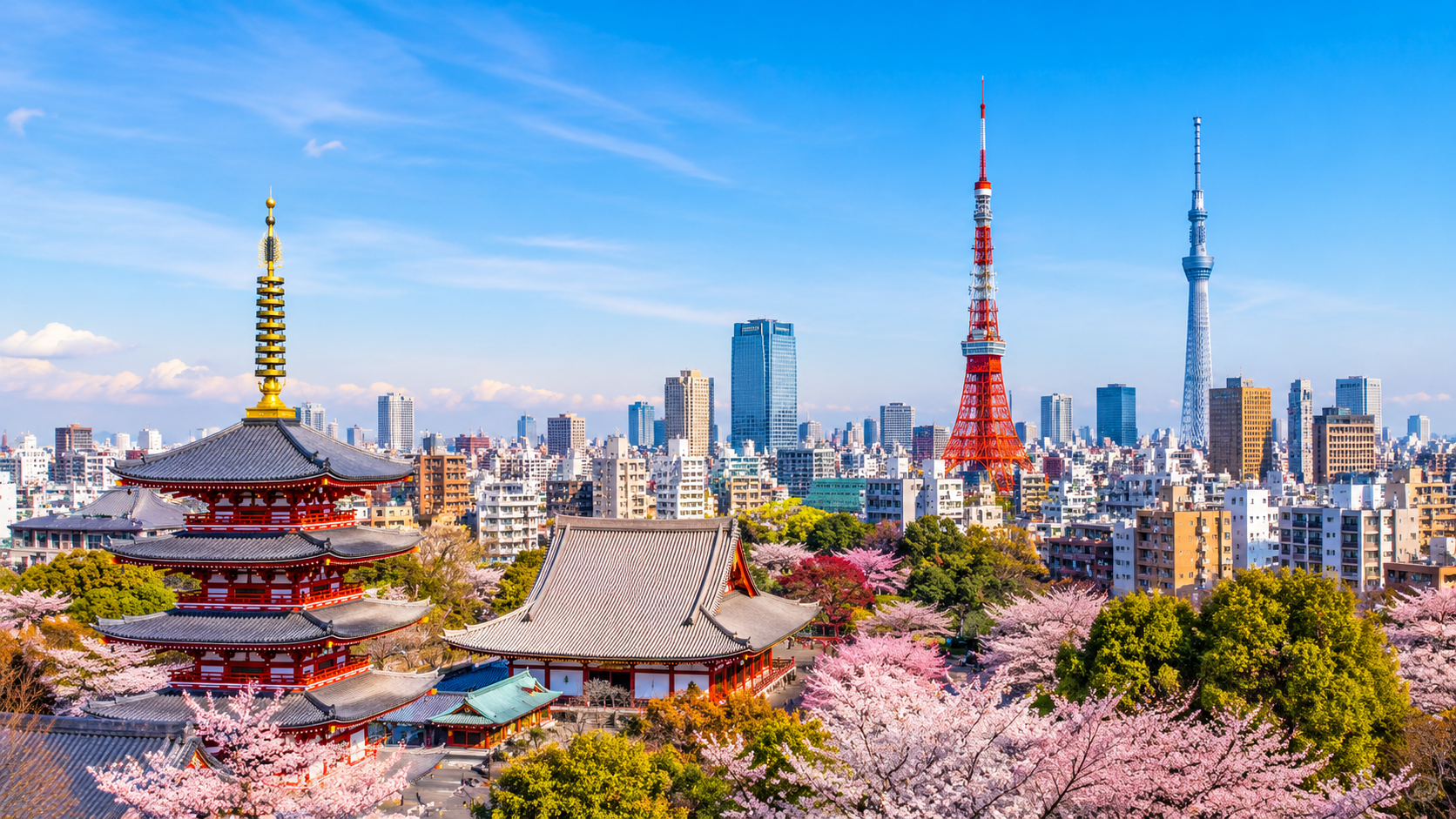
Tokyo is one of the most exciting cities in the world, where centuries-old traditions exist alongside cutting-edge technology and modern culture.
For first-time visitors, however, planning a trip to Tokyo can feel overwhelming. With so many neighborhoods, attractions, restaurants, and transportation options, it can be difficult to know where to start.
This Tokyo travel guide will help you plan your first visit with confidence. You’ll discover the best areas to explore, things to do, local food to try, how to get around, the best time to visit, and practical tips for making the most of your stay.
Still deciding where to base yourself? Compare the best neighborhoods in our guide to where to stay in Tokyo for first-time visitors.
Need more help choosing accommodation? See our Tokyo Accommodation Guide for hotel types, room sizes, station access, airport connections, booking tips, and practical advice for first-time visitors.
Why Visit Tokyo?
Tokyo offers an incredible mix of tradition, modern culture, food, shopping, and entertainment.
You can visit historic temples in Asakusa, experience the energy of Shibuya, explore the bright streets of Shinjuku, and enjoy some of the world’s most exciting food—all within the same city.
Tokyo is also an excellent starting point for first-time visitors to Japan. Its extensive public transportation network makes it easy to explore different neighborhoods and take day trips to destinations outside the city.
Best Areas to Visit in Tokyo
Tokyo is made up of many unique neighborhoods, each offering a different experience. For first-time visitors, these five areas are a great place to start.
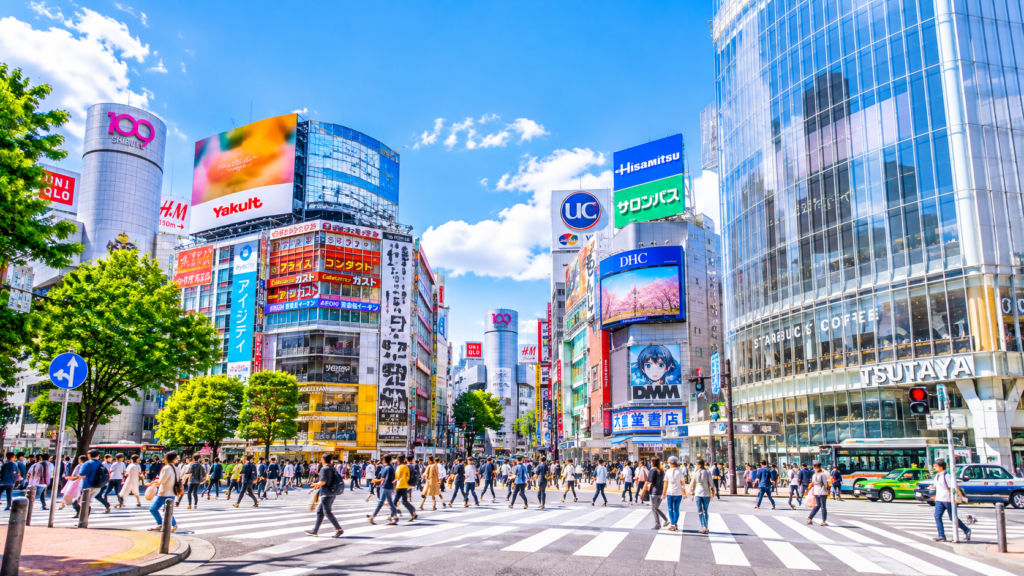
Shibuya
Shibuya is one of Tokyo’s most energetic neighborhoods, famous for Shibuya Crossing, shopping, restaurants, and modern youth culture. It is a great place to experience the fast-paced side of Tokyo.
Shinjuku
Shinjuku combines skyscrapers, entertainment, shopping, and nightlife with quieter spots such as Shinjuku Gyoen National Garden. It is also one of Tokyo’s major transportation hubs.
Asakusa
Asakusa offers a glimpse of traditional Tokyo. The area is best known for Senso-ji Temple, Nakamise shopping street, and the historic atmosphere surrounding the temple district.
Ginza
Ginza is known for sophisticated shopping, dining, and modern architecture. It is an excellent area for visitors interested in department stores, Japanese cuisine, and a more refined side of Tokyo.
Ueno
Ueno is home to museums, parks, temples, and the lively Ameyoko shopping street. It is a good choice for travelers who want to experience culture, local food, and a more relaxed atmosphere.
Want to compare Tokyo’s neighborhoods in more detail? See our Best Areas to Visit in Tokyo for First-Time Visitors for what to see, how long to spend, and which areas best match your travel style.
Best Things to Do in Tokyo
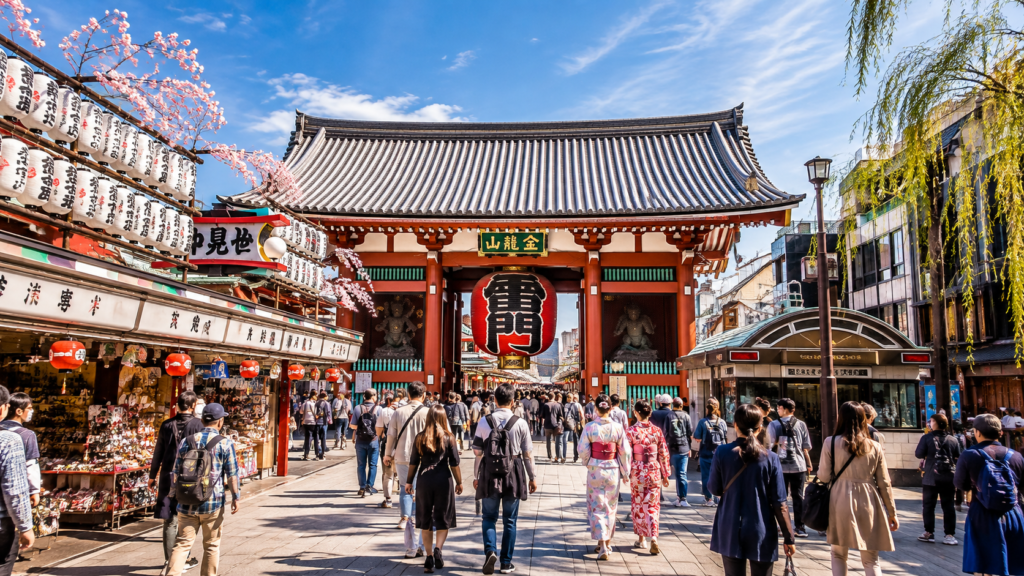
Tokyo offers countless experiences, from historic temples and traditional neighborhoods to observation decks, shopping districts, and modern entertainment. Here are some highlights worth considering on your first visit.
- Visit Senso-ji Temple in Asakusa — Explore Tokyo’s oldest temple and walk through the traditional Nakamise shopping street
- Experience Shibuya Crossing — See one of Tokyo’s most iconic sights and explore the surrounding shopping and entertainment district
- See Tokyo from Above — Enjoy panoramic city views from one of Tokyo’s observation decks
- Explore Meiji Shrine and Harajuku — Experience a peaceful shrine surrounded by forest before discovering the fashion and culture of nearby Harajuku
- Discover Tokyo’s Food Scene — Visit local restaurants, markets, izakaya, and specialty shops to experience the city’s incredible variety of food
Looking for more ideas? Explore our Best Things to Do in Tokyo for First-Time Visitors for iconic attractions, cultural experiences, food, shopping, city views, and practical sightseeing tips.
Have extra time in your itinerary? Explore our Best Day Trips from Tokyo for First-Time Visitors to compare Hakone, Kamakura, Nikko, Yokohama, Kawagoe, Mt. Takao, and Lake Kawaguchi.
What to Eat in Tokyo
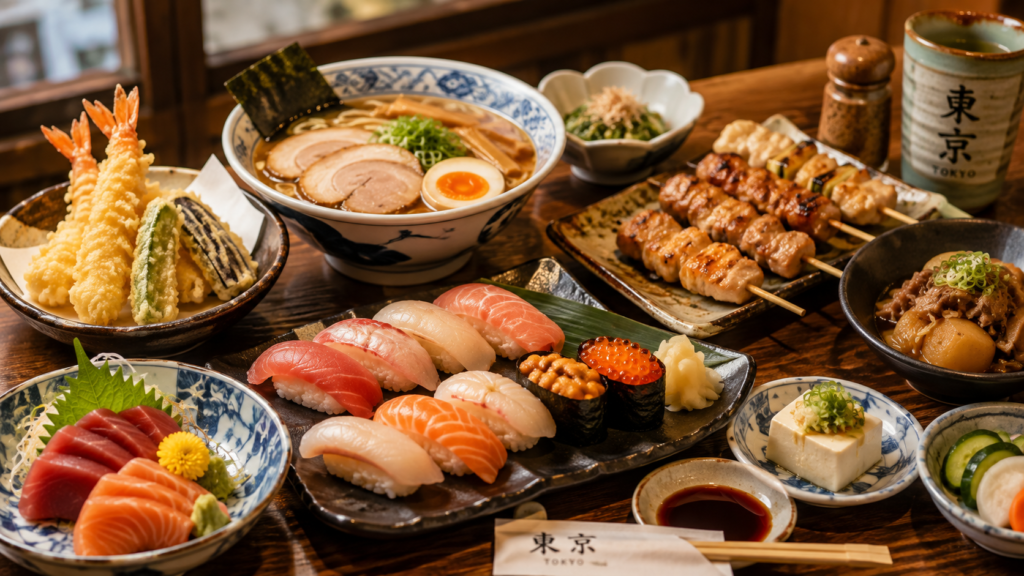
Tokyo is one of the world’s great food cities, offering everything from traditional Japanese dishes to casual street food and innovative dining. You don’t need to visit expensive restaurants to eat well—some of the city’s most memorable meals can be surprisingly affordable.
- Sushi — Try fresh sushi at a traditional restaurant, casual sushi shop, or one of Tokyo’s lively food markets
- Ramen — Discover different styles of ramen, from rich tonkotsu to lighter shoyu and shio broths
- Tempura — Enjoy seafood and vegetables coated in a light, crispy batter and served freshly fried
- Yakitori — Grilled chicken skewers are a popular choice at izakaya and small local restaurants
- Soba and Udon — These classic Japanese noodles are an easy and satisfying option for lunch or a casual dinner
Want to explore Tokyo’s food scene in more detail? See our What to Eat in Tokyo: Must-Try Japanese Foods for First-Time Visitors for sushi, ramen, tempura, yakitori, local specialties, restaurant tips, and more.
Getting Around Tokyo
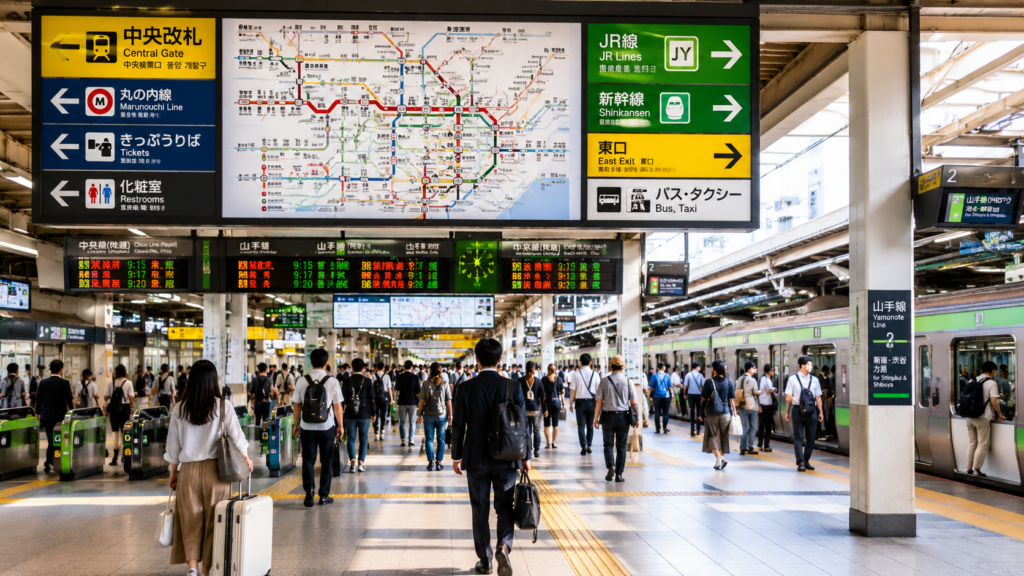
Tokyo has one of the world’s most extensive public transportation systems. It may look complicated at first, but trains and subways make it surprisingly easy to explore the city once you understand the basics.
Trains and Subways
Trains and subways are the most convenient way to travel around Tokyo. Major areas such as Shibuya, Shinjuku, Ueno, Tokyo Station, and Asakusa are well connected by multiple train and subway lines.
IC Cards
An IC card makes traveling around Tokyo much easier. Instead of buying a separate ticket for every journey, you can tap the card or a compatible mobile device at the ticket gate and the fare will be calculated automatically.
For step-by-step advice on trains, subways, IC cards, airport access and navigation, see our Tokyo Transportation Guide for First-Time Visitors.
Flying into Tokyo? See our Tokyo Airport Guide: Haneda vs Narita for First-Time Visitors to compare the two airports, transportation options, travel times, costs, and convenience.
Walking Around Tokyo
Tokyo is also a great city to explore on foot. Many attractions within the same neighborhood are within walking distance, so combining trains with walking is often the easiest way to experience the city.
Best Time to Visit Tokyo
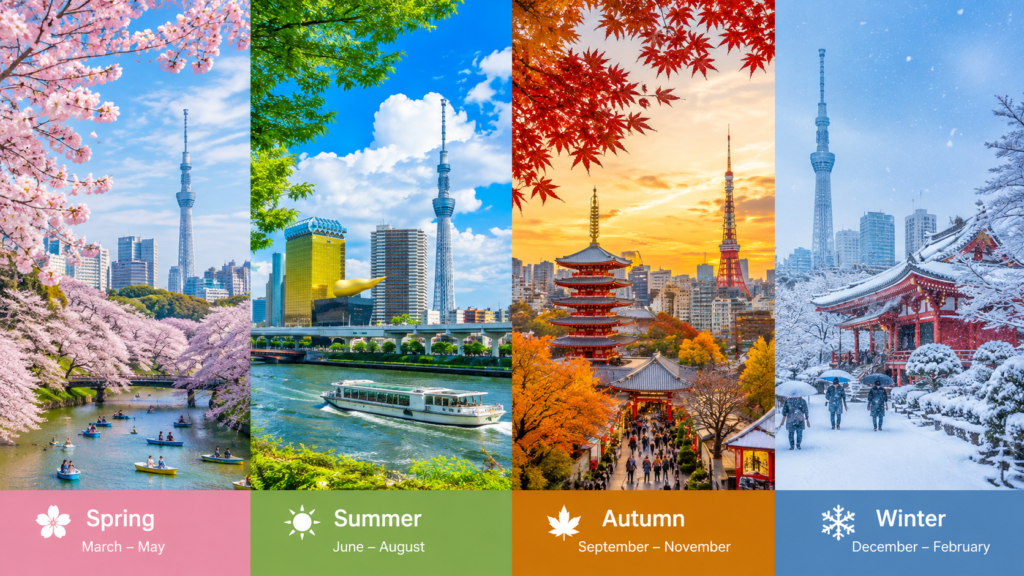
Tokyo is a year-round destination, and each season offers a different experience. The best time to visit depends on the weather, scenery, crowds, and activities you prefer.
Spring (March to May)
Spring is one of the most popular times to visit Tokyo, thanks to mild weather and cherry blossoms. Parks, riversides, and gardens become especially beautiful during the blossom season, although popular areas can be very crowded.
Summer (June to August)
Summer in Tokyo is hot and humid, but it is also a lively season filled with festivals, fireworks, and seasonal events. Travelers should prepare for the heat and allow time for breaks during the day.
Autumn (September to November)
Autumn brings more comfortable temperatures and colorful foliage later in the season. It is an excellent time for walking around Tokyo, exploring parks, and enjoying seasonal food.
Winter (December to February)
Winter is generally cool and relatively dry, with many clear days. Illuminations and seasonal events add a different atmosphere to the city, and travelers who prefer cooler weather may find winter especially enjoyable.
How Many Days Do You Need in Tokyo?
For most first-time visitors, three to five days is a good amount of time to experience Tokyo’s main highlights without feeling too rushed.
With three days, you can explore several of the city’s most famous neighborhoods and attractions. Four or five days gives you more time to discover different areas, enjoy Tokyo’s food scene, and travel at a more relaxed pace.
If Tokyo is your main destination in Japan, staying longer also gives you the flexibility to take a day trip outside the city.
- 2 days — Focus on Tokyo’s essential highlights
- 3 days — A good minimum for most first-time visitors
- 4–5 days — Recommended for a more balanced first trip
- 6+ days — Explore Tokyo more deeply and consider day trips
Sample Tokyo Itinerary for First-Time Visitors
If you have five days in Tokyo, this sample itinerary gives you a balanced introduction to the city’s traditional neighborhoods, modern districts, food, shopping, and culture. Use it as a starting point and adjust the schedule to match your interests and travel pace.
Day 1: Asakusa and Ueno
Start your trip in Asakusa with Senso-ji Temple and Nakamise shopping street. After exploring the historic neighborhood, continue to Ueno for its park, museums, temples, and the lively Ameyoko area.
Day 2: Shibuya, Harajuku, and Meiji Shrine
Visit Meiji Shrine in the morning before exploring Harajuku and Omotesando. Later, head to Shibuya to experience the famous crossing, shopping, restaurants, and city views.
Day 3: Shinjuku and Central Tokyo
Explore Shinjuku’s shopping and entertainment areas, take a break in Shinjuku Gyoen National Garden, and enjoy the city atmosphere after dark.
Day 4: Tsukiji and Ginza
Spend the morning exploring the Tsukiji Outer Market area before continuing to Ginza for shopping, architecture, cafés, and restaurants. Leave some free time to explore nearby central Tokyo at your own pace.
Day 5: Choose Your Own Tokyo Experience
Use your final day for the side of Tokyo that interests you most. You could explore museums and neighborhoods you missed, spend more time shopping and eating, or take a day trip outside central Tokyo.
Essential Tokyo Travel Tips
Tokyo is generally easy to travel around once you understand a few basics. These practical tips can help make your first visit smoother and more comfortable.
- Use public transportation — Trains and subways are usually the easiest way to travel between Tokyo’s major neighborhoods
- Keep some cash available — Cards and cashless payments are widely used, but carrying some Japanese yen can still be useful
- Stay connected — Having mobile data makes it much easier to use maps, translation tools, and transportation information while exploring Tokyo
- Avoid unnecessary rush-hour travel — Major trains can become very crowded during weekday commuting hours, so consider adjusting your schedule when possible
- Respect local etiquette — Keep your voice low on public transportation, follow queues, and pay attention to signs and local rules
- Allow extra time — Tokyo is enormous, and stations can be larger than expected. Leave some flexibility in your schedule rather than trying to see too much in one day
Frequently Asked Questions About Tokyo
Here are answers to some common questions first-time visitors have when planning a trip to Tokyo.
Is Tokyo easy to visit for first-time travelers?
Yes. Tokyo may seem overwhelming at first, but its public transportation system is extensive, signs are commonly available in English in major tourist areas, and many attractions are easy to reach by train or subway.
How many days should I spend in Tokyo?
Three to five days is a good starting point for most first-time visitors. Three days allows you to see several major highlights, while four or five days gives you more time to explore at a comfortable pace.
Do I need cash in Tokyo?
Cashless payments are widely accepted in Tokyo, but it is still useful to carry some Japanese yen for situations where cards or mobile payments may not be available.
Can I get around Tokyo without speaking Japanese?
Yes. Many train stations, major attractions, and transportation services provide English-language information. A smartphone with mobile data can also help with maps, translation, and route planning.
Is Tokyo expensive to visit?
Tokyo can accommodate a wide range of budgets. Accommodation and some attractions can be expensive, but travelers can also find affordable restaurants, public transportation, convenience stores, and free or low-cost attractions throughout the city.
For a detailed breakdown of accommodation, food, transportation, sightseeing, and daily expenses, see our Tokyo Travel Budget: How Much Does a Trip to Tokyo Cost?
Final Thoughts
Tokyo can feel overwhelming at first, but that is also part of what makes the city so exciting. Every neighborhood offers something different, from historic temples and quiet gardens to world-class food, shopping, and entertainment.
For your first visit, don’t try to see everything. Choose the places and experiences that interest you most, leave some flexibility in your schedule, and give yourself time to simply explore.
We hope this guide helps you plan your first trip to Tokyo with confidence and discover a side of the city that makes you want to return.
Preparing for your first visit? See our Tokyo Travel Tips for First-Time Visitors for practical advice on transportation, money, etiquette, luggage, restaurants, airports, and other essentials that can make your trip easier.
